

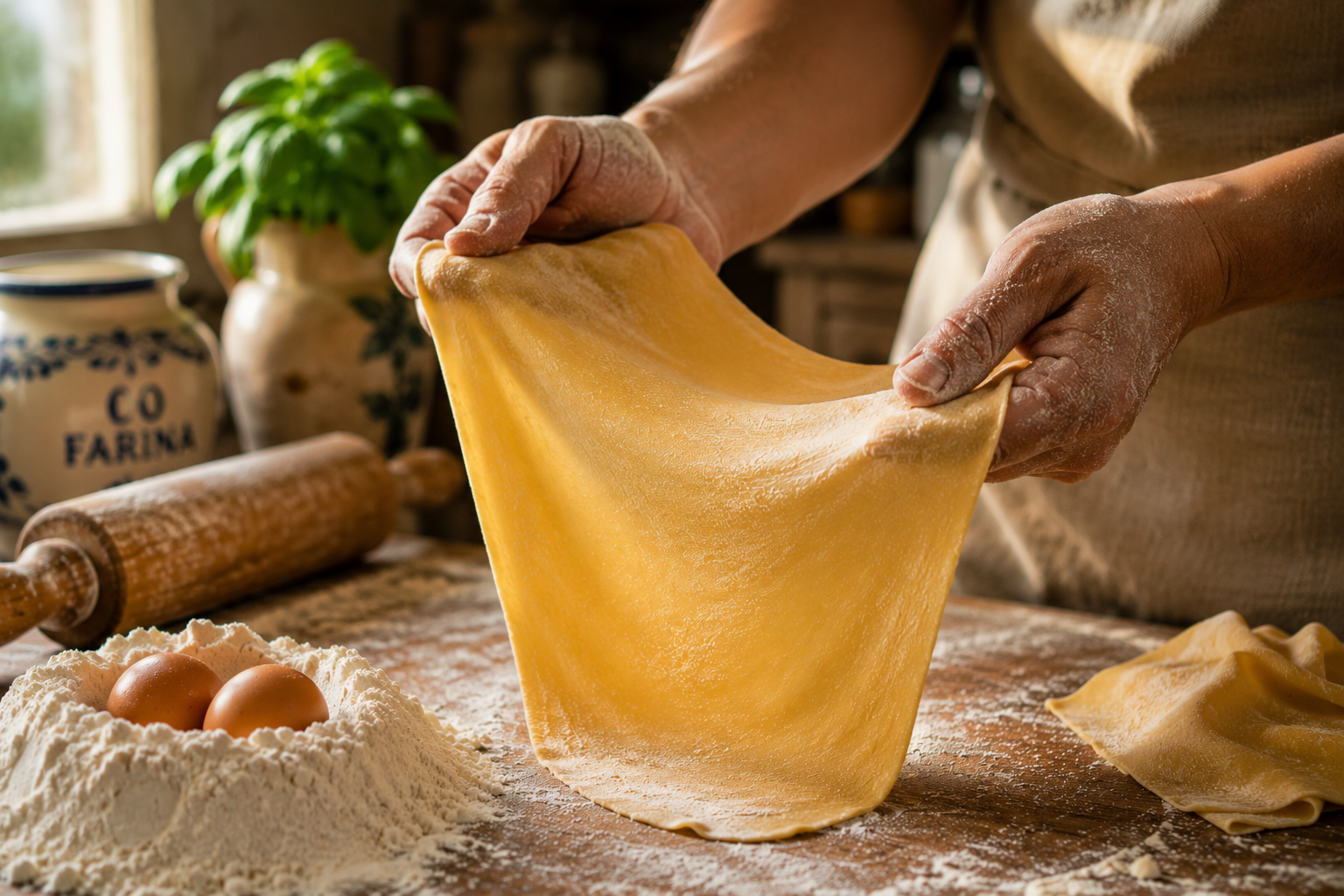
The Role of Gluten in Homemade Pasta (Part 2)
In Part 1, we explored what gluten is, how it forms, and why it gives pasta dough its remarkable strength and elasticity. We learned that gluten isn't something added to flour—it's a natural protein network that develops through hydration and kneading. Now let's look at how to recognize properly developed gluten, avoid common mistakes, and understand why mastering gluten is one
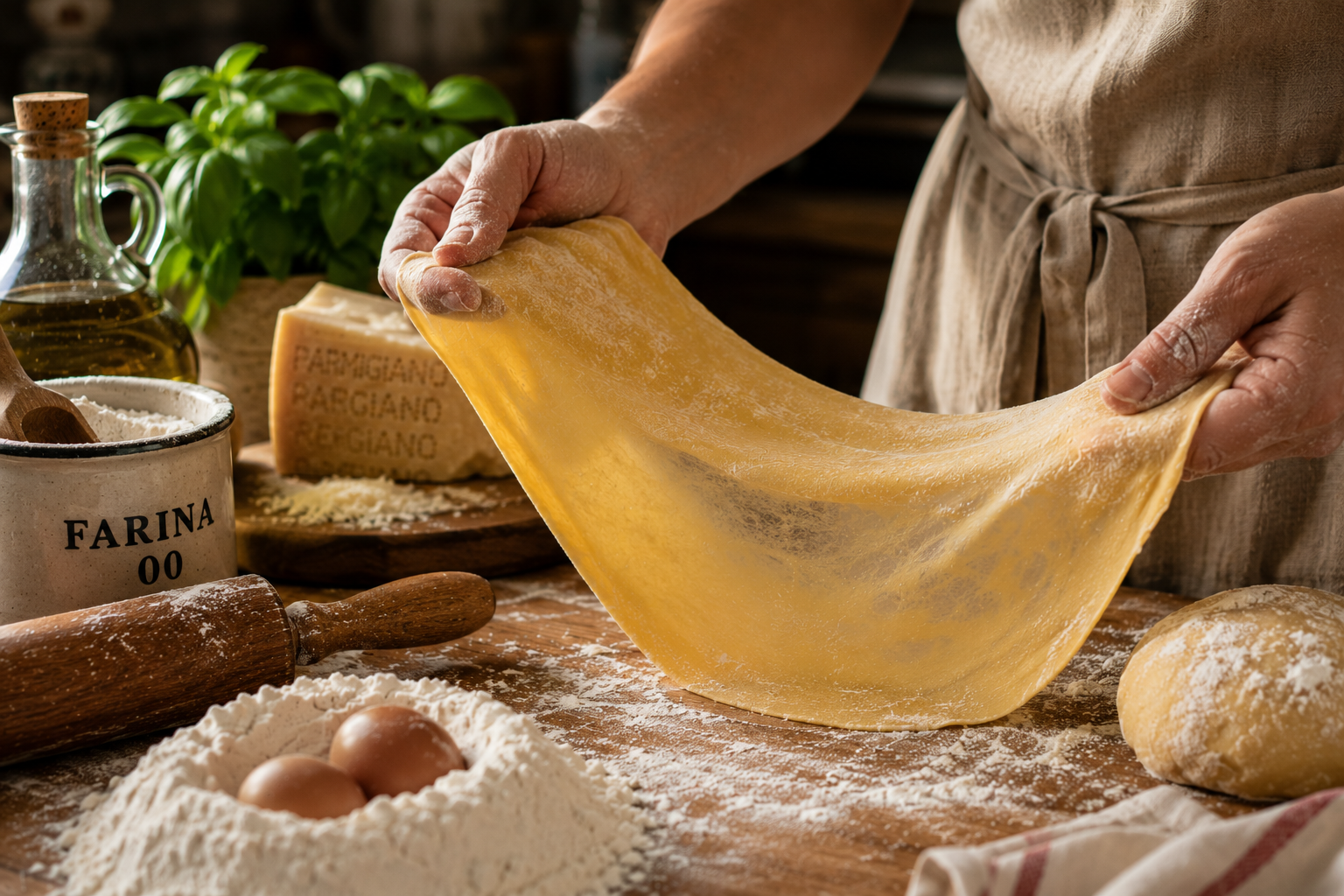
The Role of Gluten in Homemade Pasta (Part 1)
"Gluten isn't the enemy of great pasta—it's one of the reasons great pasta exists." Few ingredients in modern cooking have become as misunderstood as gluten. Depending on where you look, you'll hear that gluten is harmful, unnecessary, or something every cook should avoid. Yet for thousands of years, Italian pasta makers have relied on gluten to create pasta that is silky, resilient,
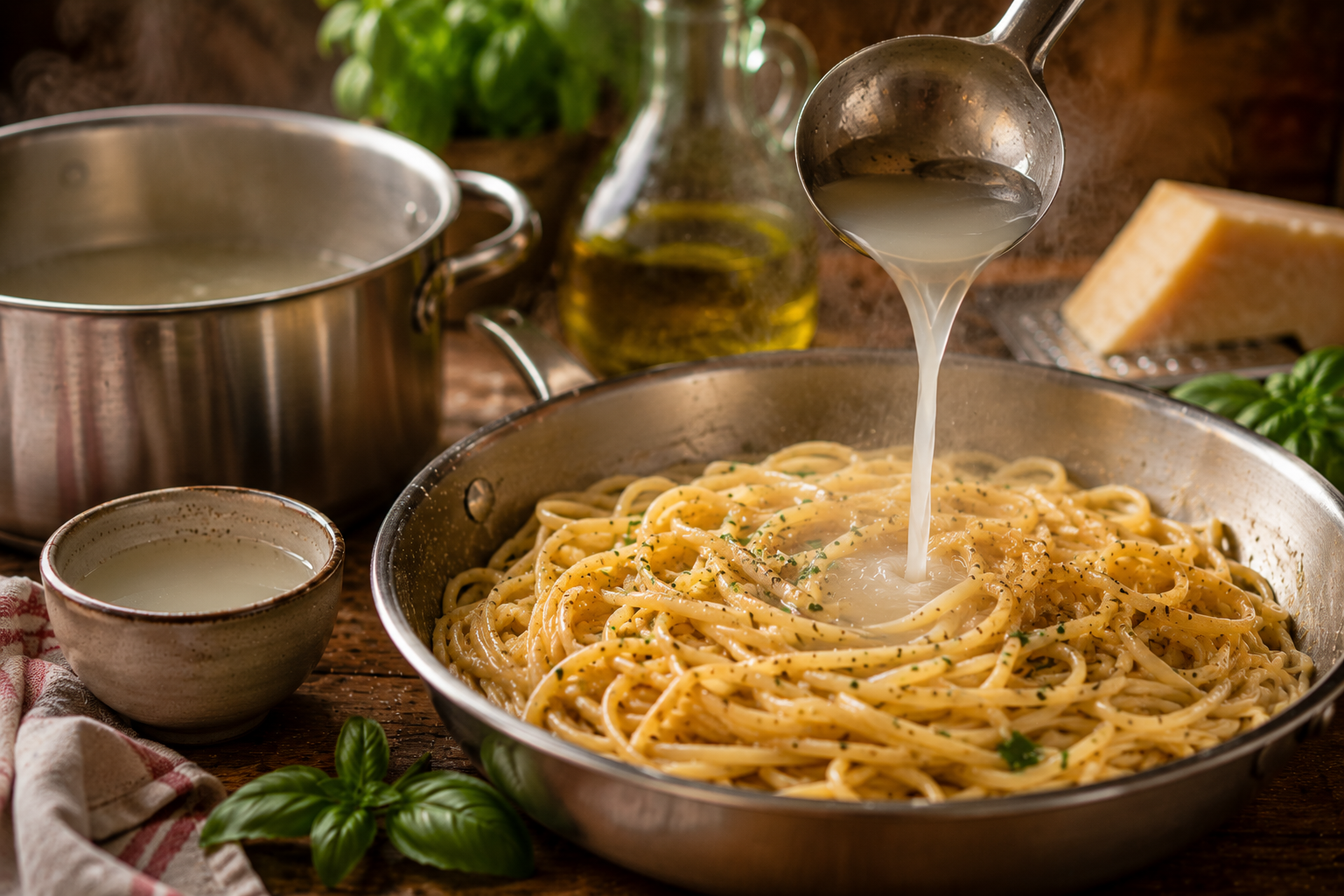
Why Pasta Water Is Called “Liquid Gold” (Part 2)
In Part 1, we explored why pasta water is far more than cloudy cooking water. The starch released from the pasta transforms it into a natural ingredient capable of bringing a sauce together in a way plain water never could. Now let's look at how to use it the way Italian cooks have for generations. Always Reserve the Water Before Draining One of
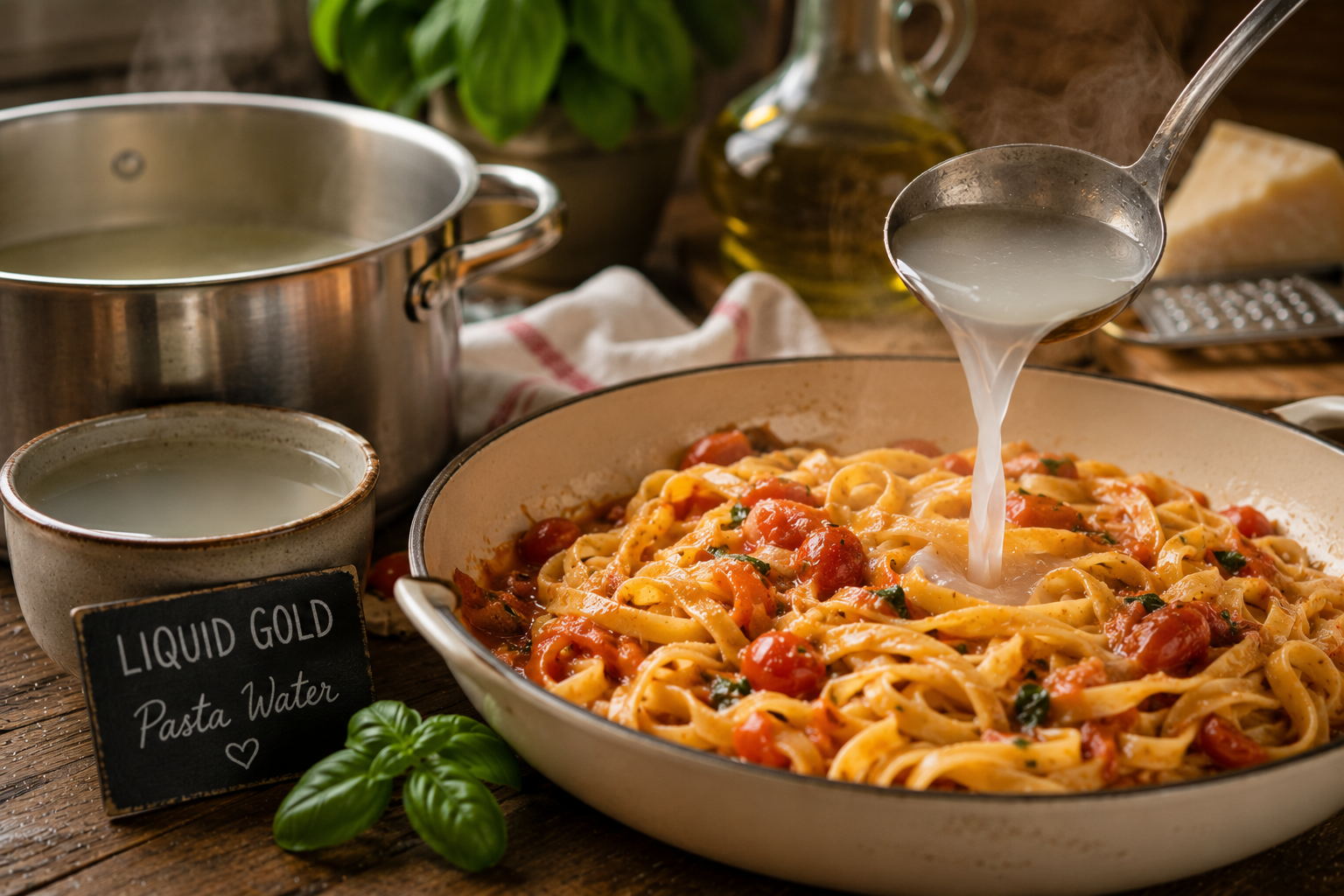
Why Pasta Water Is Called “Liquid Gold” (Part 1)
"It may look like cloudy cooking water, but to Italian cooks, pasta water is one of the most valuable ingredients in the entire meal." Imagine watching an experienced Italian chef finish a plate of pasta. Just before the dish is complete, they do something that often surprises home cooks. Instead of draining the pasta and throwing away the cooking water, they carefully dip
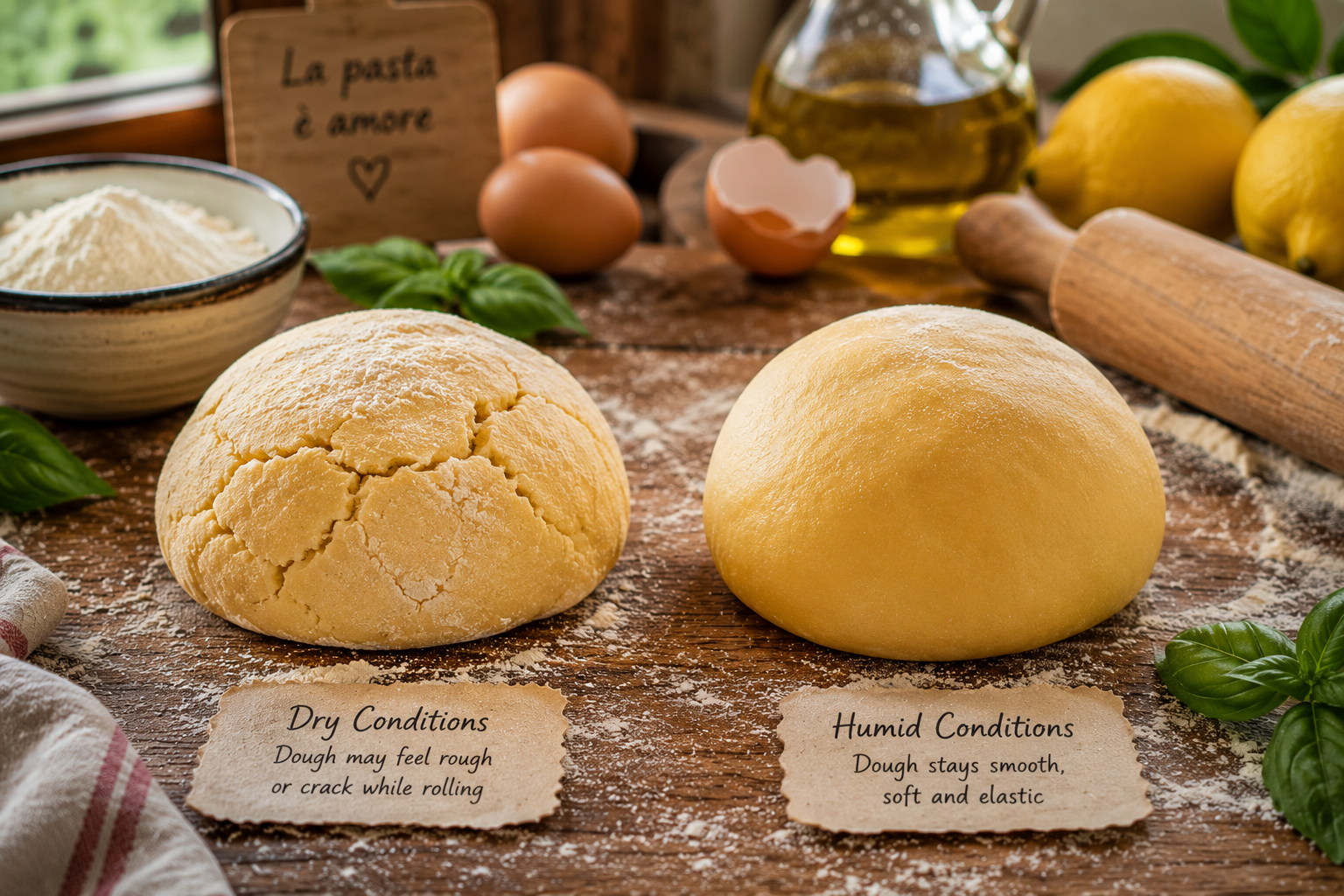
How Humidity and Weather Affect Homemade Pasta Dough (Part 2)
In Part 1, we explored how humidity, temperature, flour, and even the size of your eggs can change the way pasta dough behaves. We discovered that making great pasta isn't about following a recipe with absolute precision—it's about learning to read the dough itself. Now let's look at how to recognize the signs your dough is giving you and how experienced
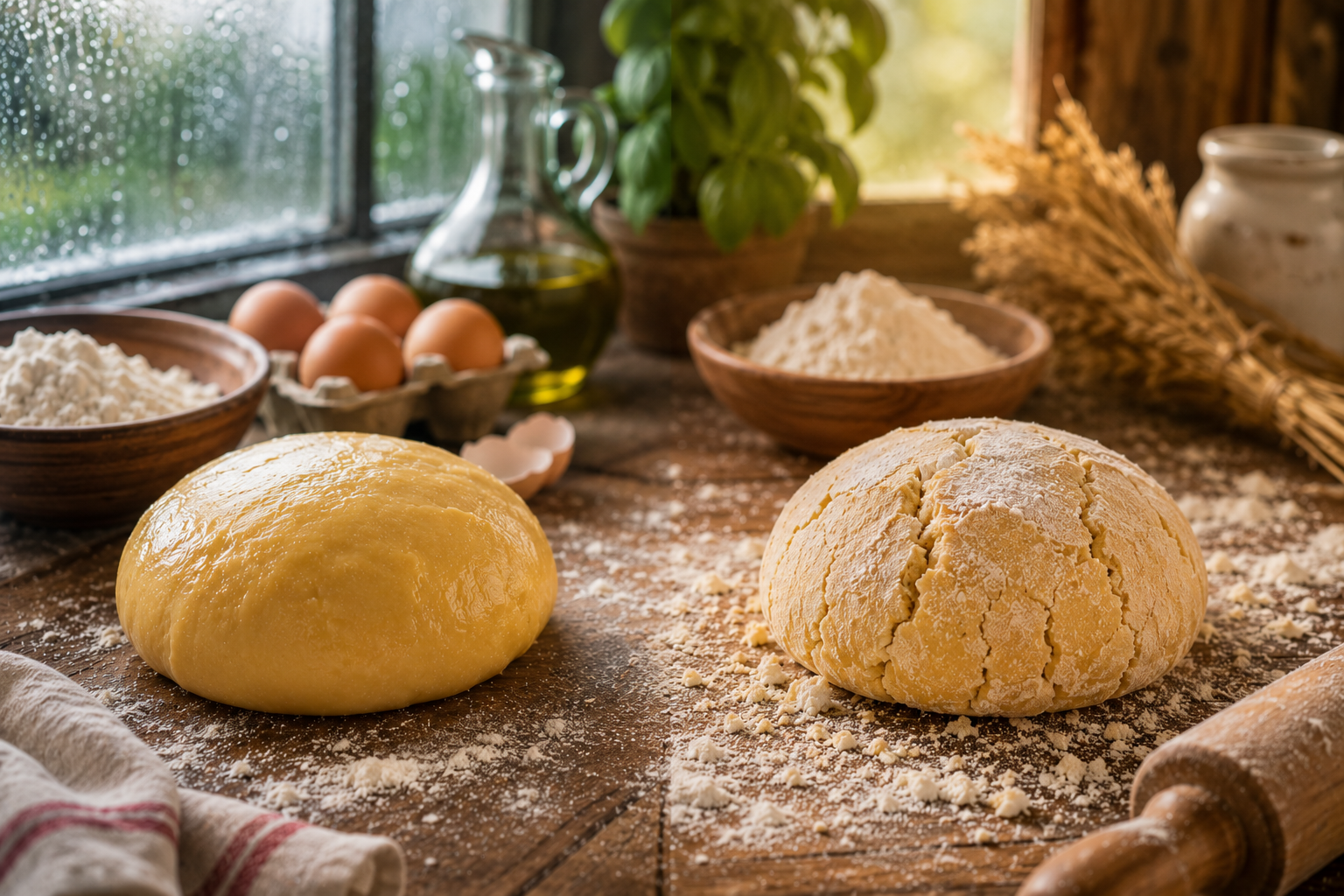
How Humidity and Weather Affect Homemade Pasta Dough (Part 1)
"One of the greatest mysteries for beginning pasta makers is discovering that the exact same recipe can produce completely different dough from one day to the next. The recipe didn't change—but the environment did." Every pasta maker experiences it sooner or later. Last weekend, your dough was perfect. It came together effortlessly, kneaded beautifully, and rolled into silky sheets that seemed almost impossible
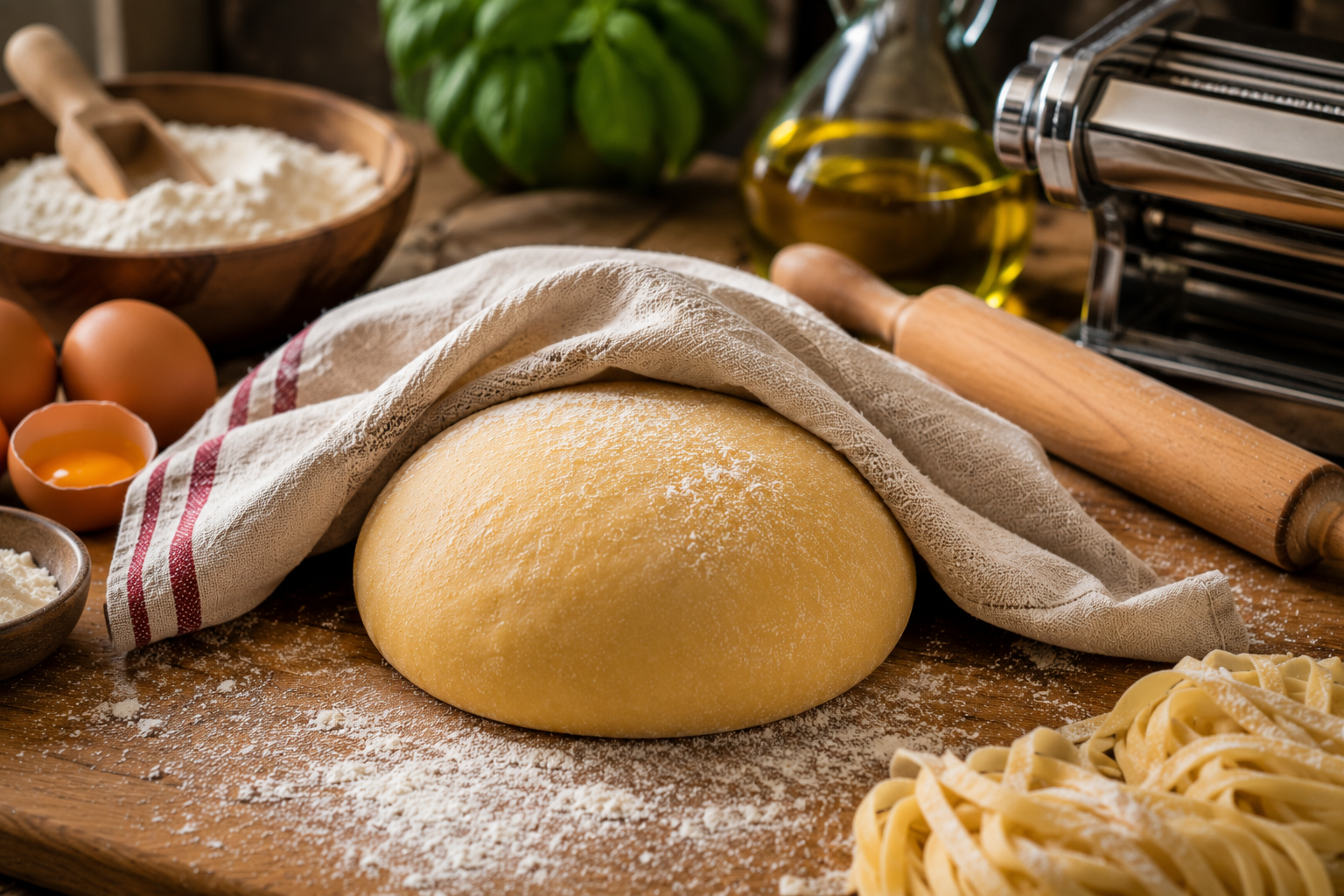
Why Pasta Dough Needs to Rest: The Secret Most Beginners Skip (Part 2)
By now, you know that resting pasta dough isn't simply a pause in the recipe—it's an essential stage in creating exceptional pasta. As the gluten relaxes and moisture distributes evenly throughout the dough, the transformation becomes noticeable not only in how the dough feels, but in every step that follows. Let's take a closer look at what resting changes once you
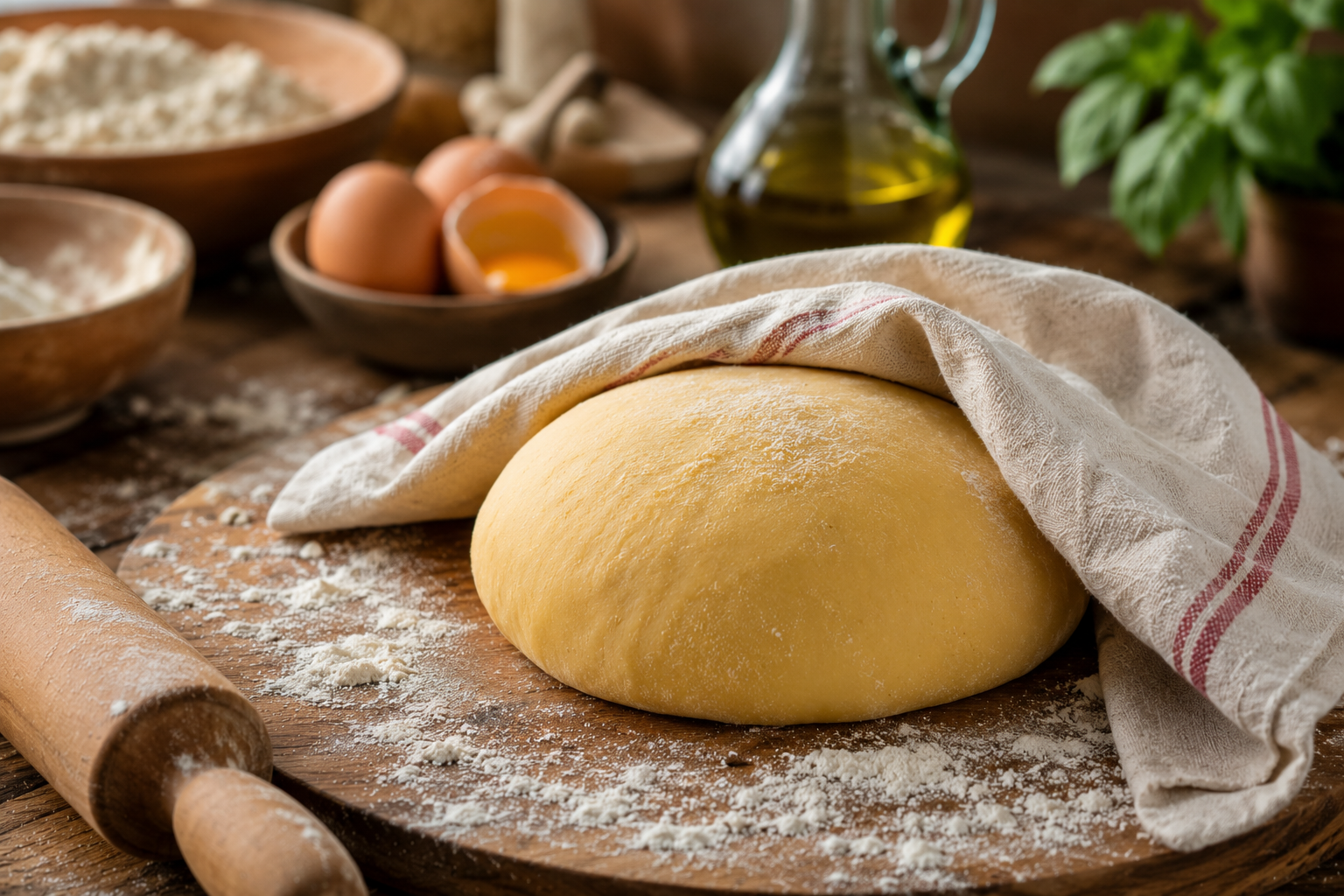
Why Pasta Dough Needs to Rest: The Secret Most Beginners Skip (Part 1)
"If there is one step that separates good homemade pasta from exceptional homemade pasta, it isn't the flour you choose or the pasta machine you use—it's having the patience to let the dough rest." Imagine spending fifteen minutes carefully mixing your flour and eggs, kneading until your arms begin to tire, and finally creating what appears to be a beautiful ball
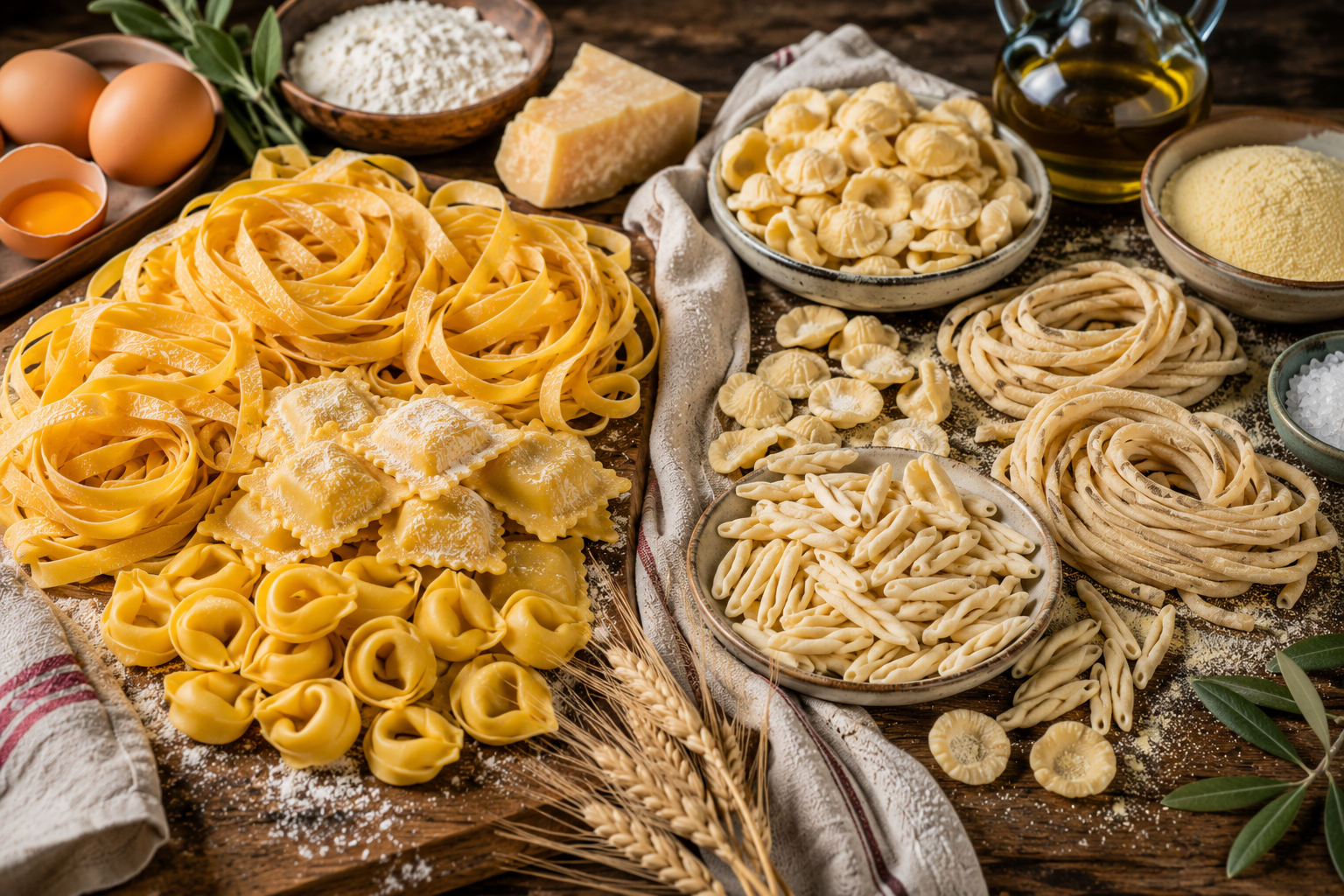
Egg Pasta vs. Water Pasta: Why Italy Uses Both (Part 2)
In Part 1, we explored how geography, climate, and agriculture shaped Italy's two great pasta traditions. Northern Italy embraced rich egg doughs, while much of southern Italy perfected pasta made from nothing more than semolina flour and water. Now the question becomes one every home cook eventually asks: Which one should you choose? The answer isn't based on which dough is "better." Instead,
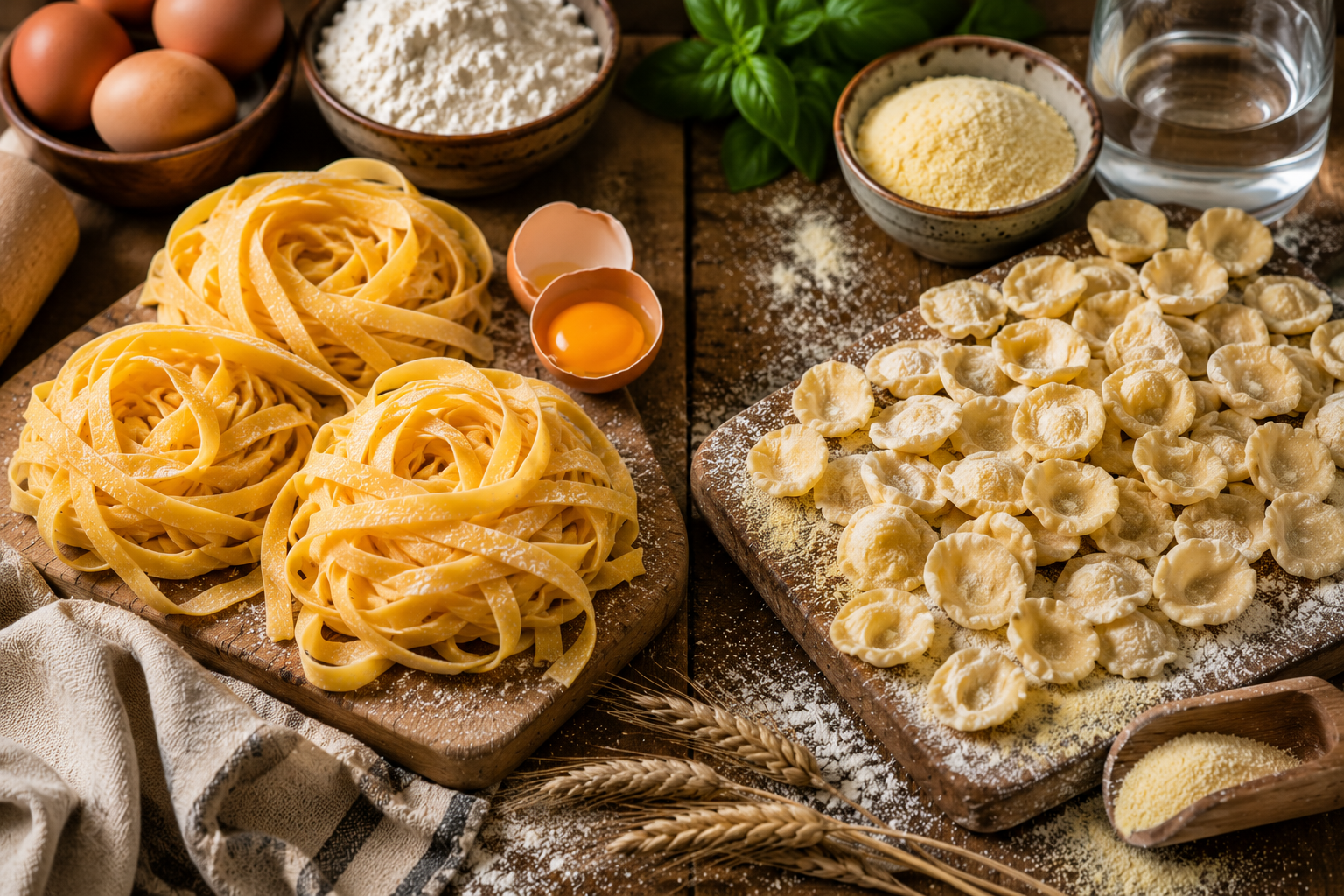
Egg Pasta vs. Water Pasta: Why Italy Uses Both (Part 1)
"One of the biggest misconceptions about Italian pasta is that authentic pasta always contains eggs. In reality, millions of Italians have been making extraordinary pasta for centuries using nothing more than flour and water." Walk into an Italian grandmother's kitchen in Bologna, and you might find fresh golden tagliatelle drying on a wooden rack, its rich color coming from an abundance