

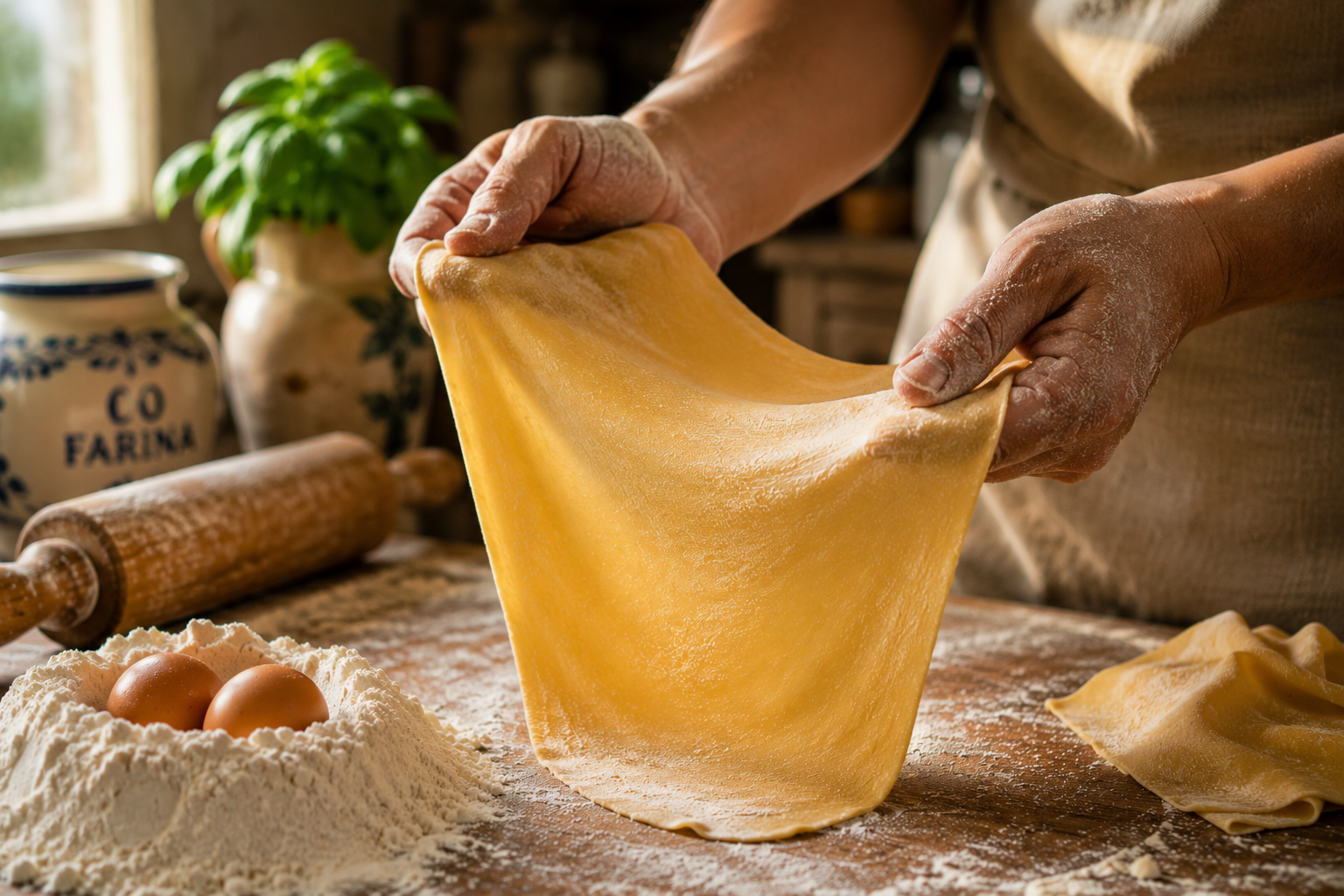
The Role of Gluten in Homemade Pasta (Part 2)
In Part 1, we explored what gluten is, how it forms, and why it gives pasta dough its remarkable strength and elasticity. We learned that gluten isn't something added to flour—it's a natural protein network that develops through hydration and kneading. Now let's look at how to recognize properly developed gluten, avoid common mistakes, and understand why mastering gluten is one
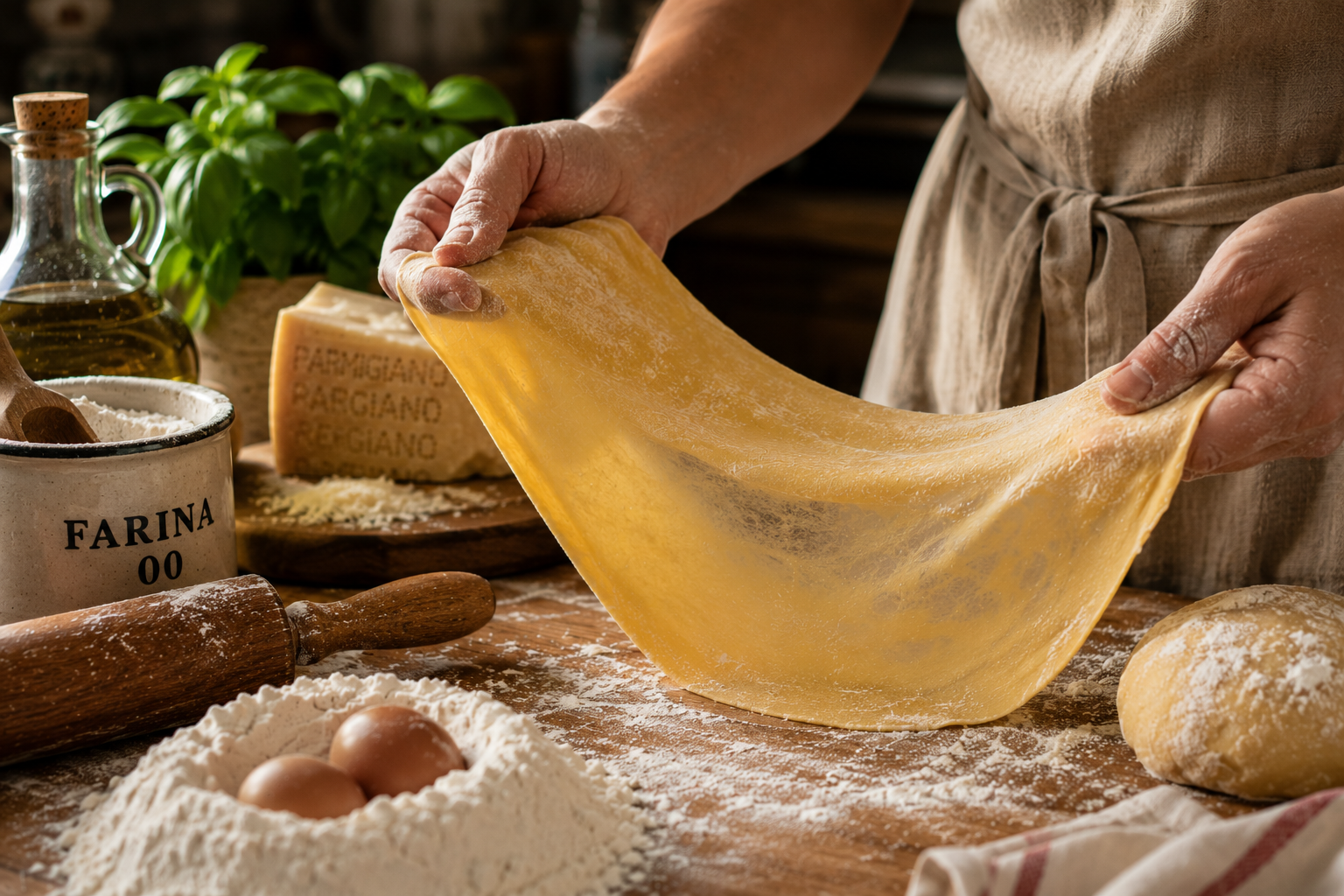
The Role of Gluten in Homemade Pasta (Part 1)
"Gluten isn't the enemy of great pasta—it's one of the reasons great pasta exists." Few ingredients in modern cooking have become as misunderstood as gluten. Depending on where you look, you'll hear that gluten is harmful, unnecessary, or something every cook should avoid. Yet for thousands of years, Italian pasta makers have relied on gluten to create pasta that is silky, resilient,
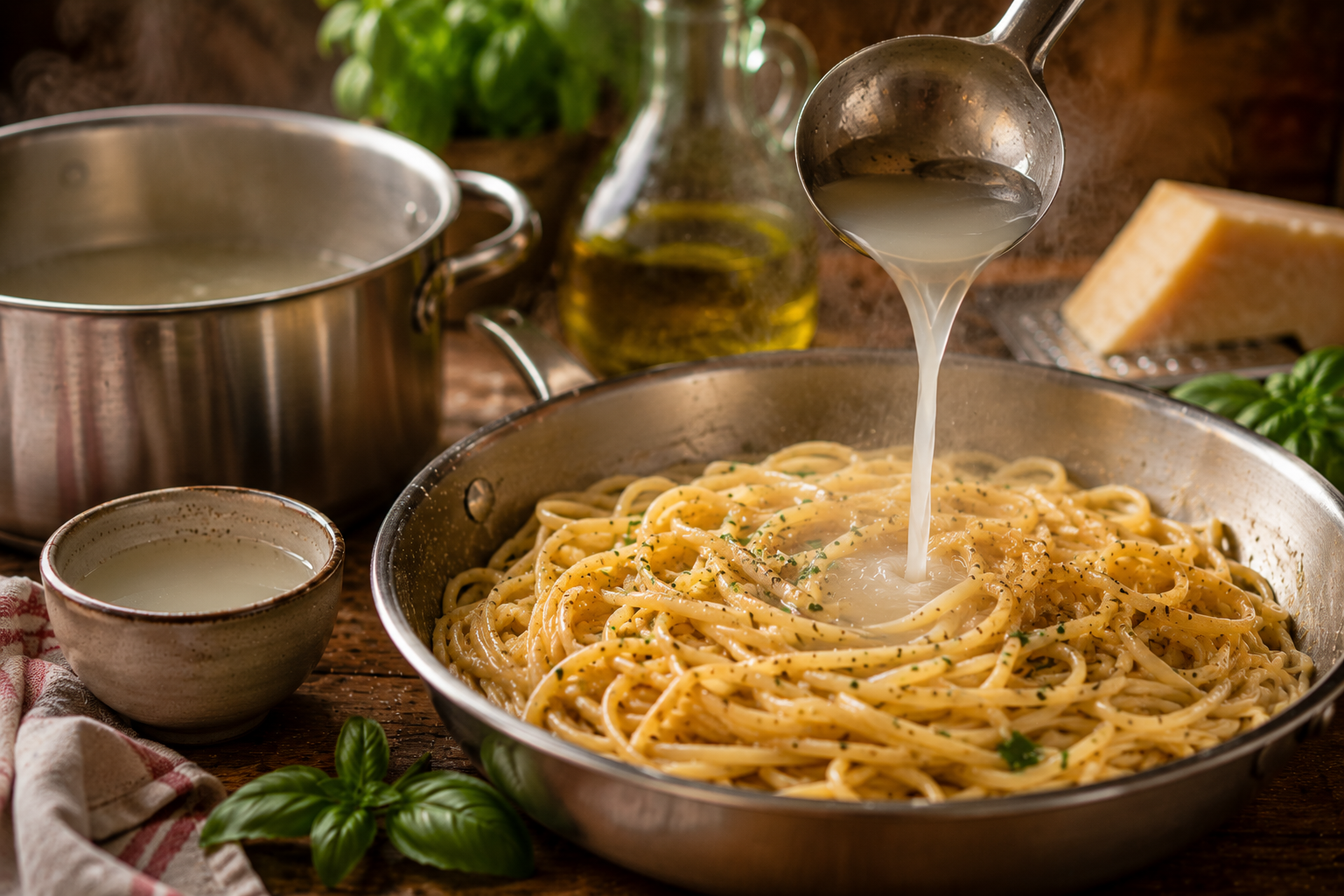
Why Pasta Water Is Called “Liquid Gold” (Part 2)
In Part 1, we explored why pasta water is far more than cloudy cooking water. The starch released from the pasta transforms it into a natural ingredient capable of bringing a sauce together in a way plain water never could. Now let's look at how to use it the way Italian cooks have for generations. Always Reserve the Water Before Draining One of
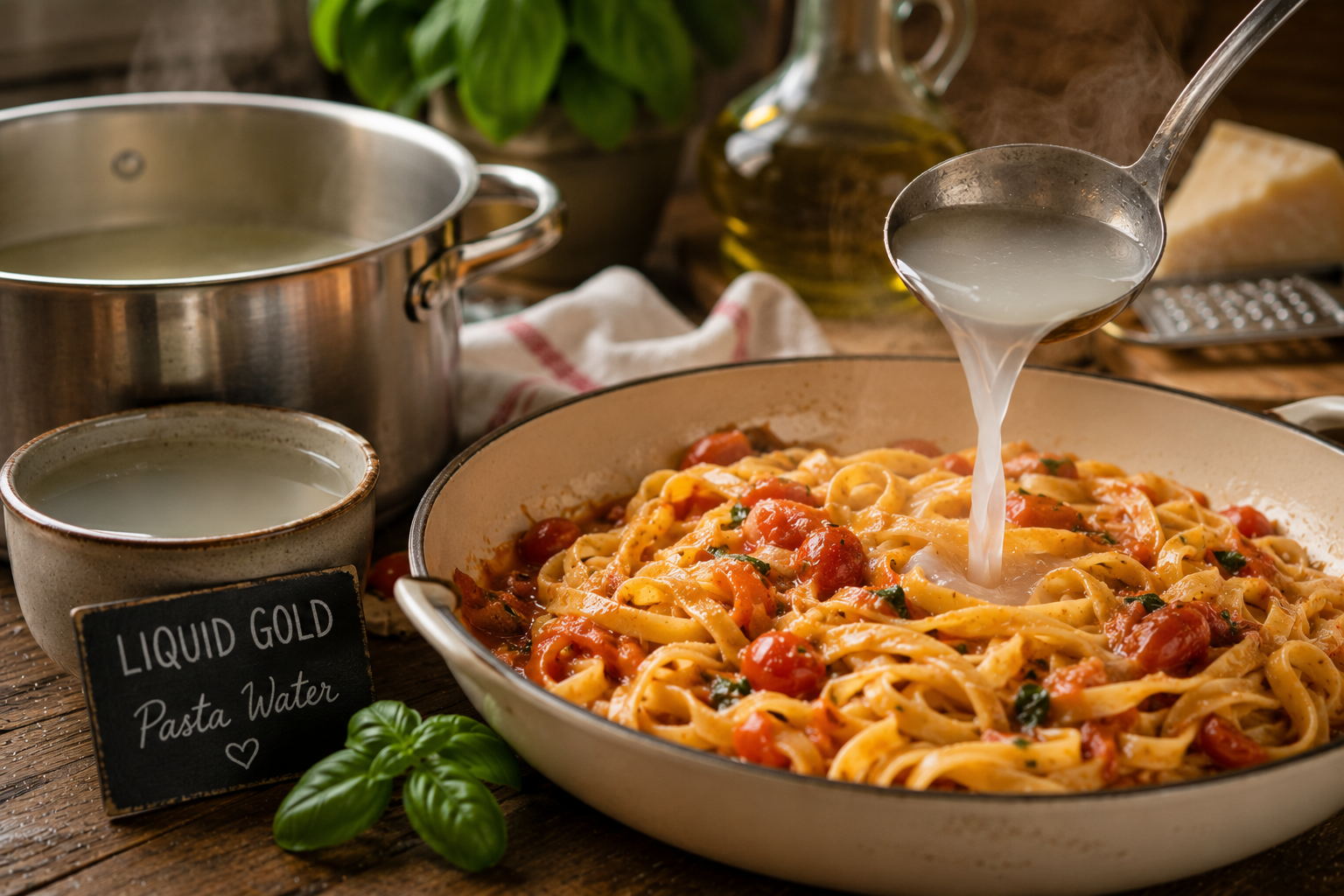
Why Pasta Water Is Called “Liquid Gold” (Part 1)
"It may look like cloudy cooking water, but to Italian cooks, pasta water is one of the most valuable ingredients in the entire meal." Imagine watching an experienced Italian chef finish a plate of pasta. Just before the dish is complete, they do something that often surprises home cooks. Instead of draining the pasta and throwing away the cooking water, they carefully dip